Introduction
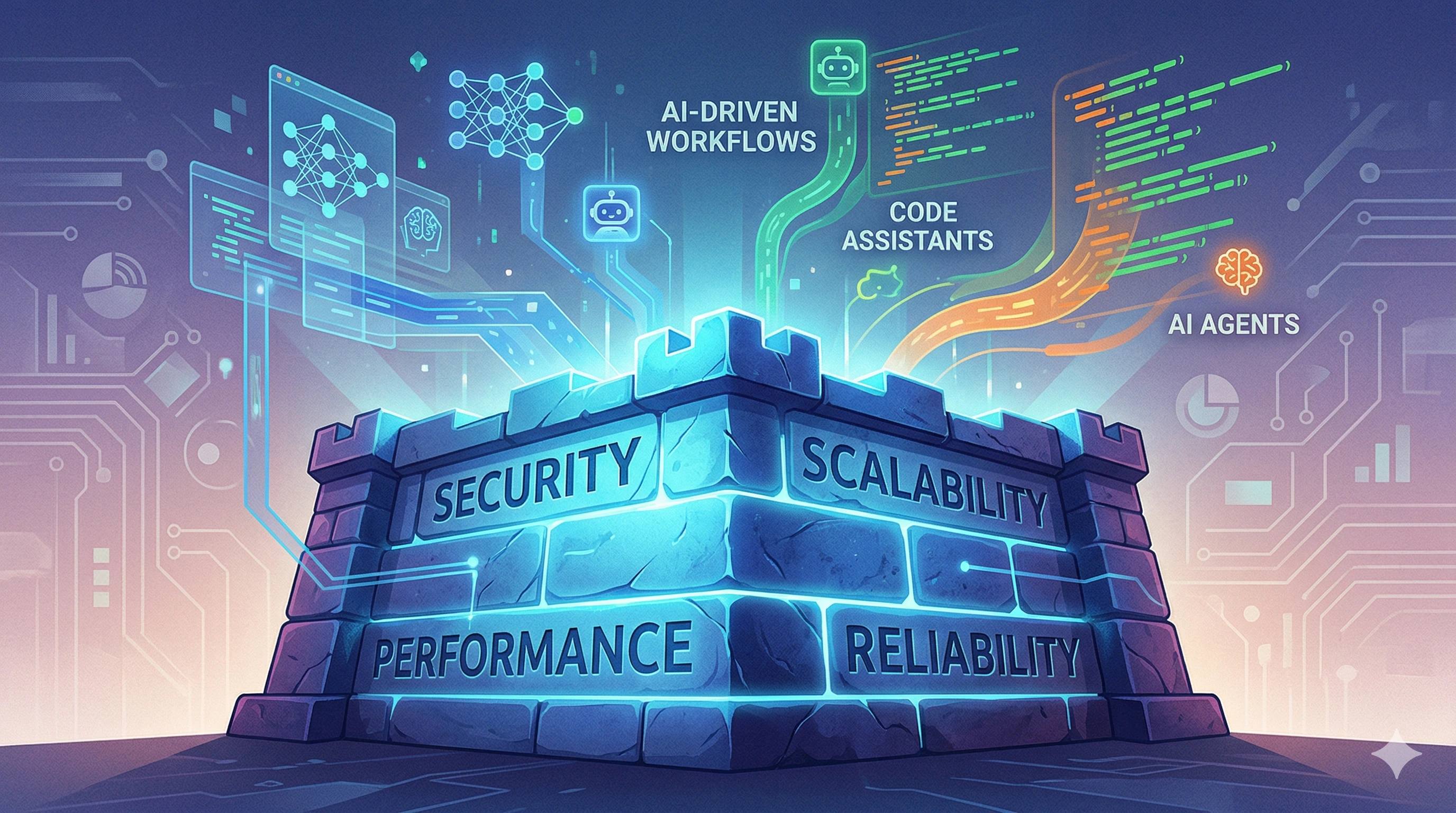
Backend engineering forms the structural core of modern web applications. While users interact with visually rich and dynamic front-end interfaces, it is the backend that executes the logic, safeguards data, and ensures the entire system behaves predictably. As AI-driven prompts and development workflows evolve rapidly, the foundational principles of backend engineering remain unchanged—and more crucial than ever.
Core Components of Backend Systems
Servers
Servers execute application logic, manage client requests, and orchestrate interactions with databases and external services. They act as the primary environment where backend code runs, processing data and returning the appropriate responses with efficiency and consistency.
Databases
Databases store, manage, and retrieve application data. From user profiles to financial transactions, they ensure information remains organized, secured, and accessible. A well-designed data layer is indispensable for maintaining accuracy, reliability, and performance.
APIs
APIs define how different software systems communicate. They act as the contract between frontend and backend components, allowing data exchange, third-party integrations, and modular system design. High-quality APIs are predictable, secure, and well-documented.
Backend Engineering Principles
Data Integrity and Security
Preserving the confidentiality, accuracy, and availability of data is a fundamental responsibility. This includes using encryption, enforcing access controls, validating input, mitigating vulnerabilities, and adhering to compliance standards. Trust is built on secure systems.
Performance Optimization
Backend systems must be fast and reliable. This involves writing efficient code, optimizing queries, implementing caching strategies, using load balancers, and continuously monitoring system health. Performance directly influences user experience and operational costs.
Scalability
Applications must be prepared to handle growth—whether gradual or sudden. Scalable architectures ensure the system can support increased traffic, larger datasets, and evolving business requirements without degradation. This often includes horizontal scaling, distributed systems, and microservice patterns.
Error Handling and Reliability
A robust backend anticipates failure. Effective error handling, comprehensive logging, graceful degradation, and monitoring ensure that issues are detected early and resolved quickly. Reliability builds user confidence and reduces maintenance overhead.
Responsibilities of a Backend Engineer
Daily Responsibilities
Backend engineers write and maintain server-side logic, manage databases, optimize performance, and debug issues affecting application stability. Their work ensures that users enjoy smooth, reliable interactions.
Collaboration
They work closely with frontend developers, DevOps teams, designers, and project managers to ensure cohesive application development. Strong communication is key to successful integration across teams.
API and Data Management
Backend engineers design robust APIs, enforce data validation, manage data storage, and implement security measures. Their role ensures data moves safely and efficiently through the system.
Essential Skills and Technologies
Programming Proficiency
Strong expertise in backend languages and frameworks—along with architectural understanding—is critical.
Tooling Mastery
Version control systems, containerization platforms, and CI/CD pipelines are essential tools that support modern backend workflows.
Security and Performance
Knowledge of encryption, vulnerability mitigation, performance optimization, caching, and load balancing is required to build and maintain secure, high-performance systems.
Final Takeaway
Backend engineering is rooted in timeless principles: security, performance, scalability, and reliability. As development workflows transform and AI-driven tools reshape how we write code, these foundational concepts remain the bedrock of every robust system. Mastering them empowers engineers to build applications that scale, endure, and deliver consistently—no matter how much the tools and prompts evolve.